Hospital to Home
How to Prevent Hospital Readmission in the First 30 Days After Discharge
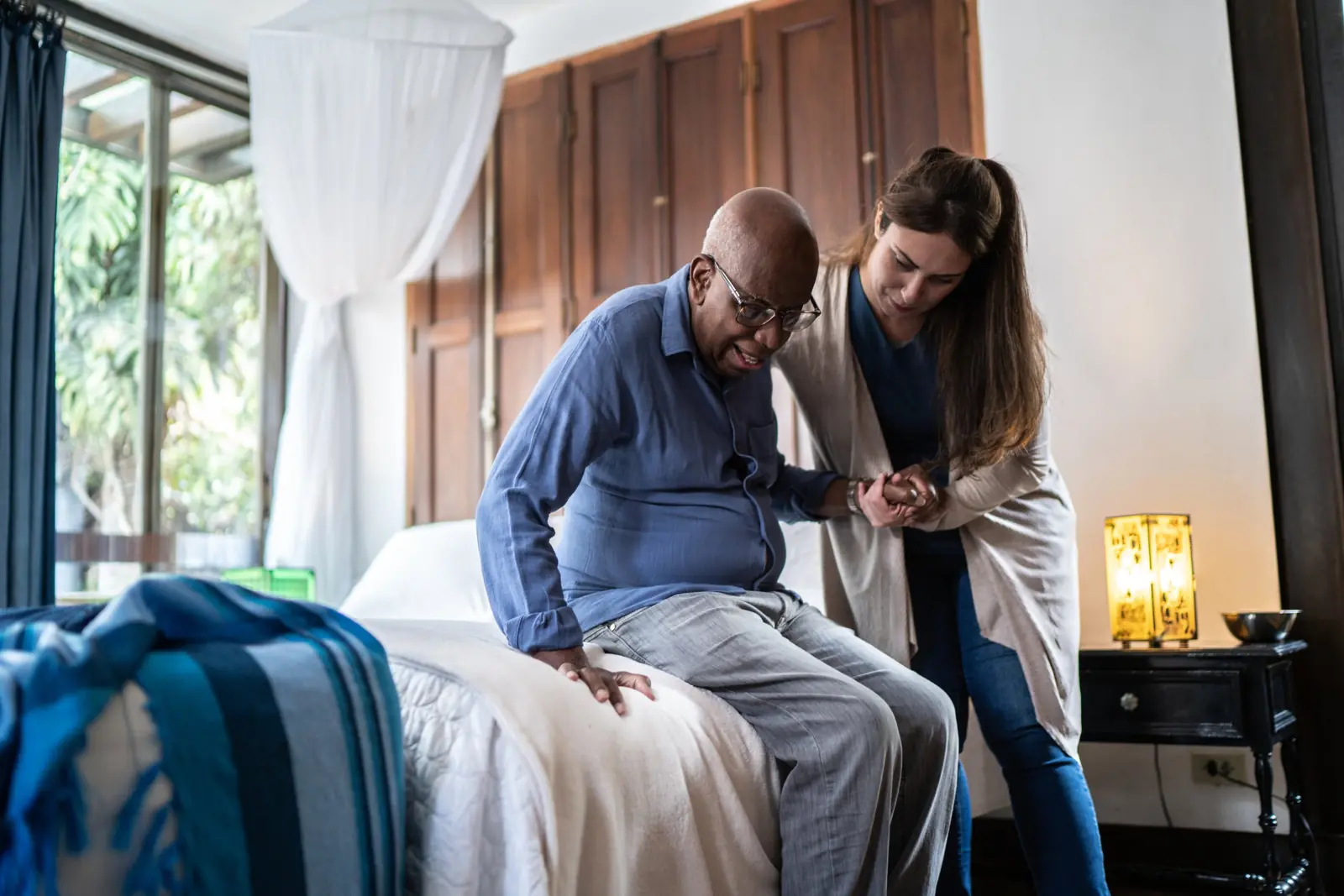
The month after a hospital stay is when patients are most likely to land back in the hospital. In 2020, Medicare patients had 17.0 readmissions within 30 days for every 100 hospital stays, the highest rate of any payer group (AHRQ Healthcare Cost and Utilization Project). That's roughly 1 in 6.
Many of those return trips trace back to a handful of fixable problems. A medication gets taken twice. A follow-up appointment never gets scheduled. A warning sign shows up on day four and nobody knows it matters. This guide walks through what to set up and what to watch for, week by week.
Key Takeaways - Medicare patients were readmitted within 30 days at a rate of 17.0 per 100 hospital stays in 2020, and the average readmission cost $16,300 (AHRQ HCUP). - The first 72 hours matter most. Get every prescription filled, compare the discharge list to what's in the house, and book the follow-up visit. - Write down the specific warning signs for the patient's condition and post them where everyone can see them. - A home health nurse can check on the patient within days of discharge and catch problems early.
Why the First 30 Days Are So Risky
A hospital readmission is an unplanned return to the hospital shortly after discharge, usually measured within 30 days. Medicare tracks it closely. Its Hospital Readmissions Reduction Program measures readmissions after heart attack, heart failure, COPD, pneumonia, coronary bypass surgery and elective hip or knee replacement (CMS).
Some conditions carry more risk than others. AHRQ data show that Medicare patients hospitalized for heart failure had a 30-day readmission rate of 22.4 per 100 stays in 2020, and those hospitalized for diabetes with complications had a rate of 22.2 (AHRQ HCUP).
Missed follow-up is a recurring theme. A landmark study of Medicare claims found that 19.6% of patients were readmitted within 30 days, and for half of those readmitted, there was no bill for a physician visit in between (Commonwealth Fund summary of Jencks et al., NEJM 2009). The study is older, but the lesson still holds. Many people never see a doctor between leaving the hospital and going back.
The First 72 Hours
These are the most important three days. Here's what to do before the end of day three.
Fill and reconcile every medication
Medication reconciliation means comparing the hospital's discharge medication list against every pill bottle, inhaler, patch and injection in the home, then resolving every difference with the doctor or pharmacist.
This step matters because drug problems are common and serious. The CDC reports that adults 65 and older visit emergency departments more than 600,000 times a year because of adverse drug events (CDC).
For example, a patient might come home with a new water pill while an old one sits in the same cabinet. Watch for these common mix-ups.
- A brand-name pill and its generic, taken together by mistake
- An old dose still in the cabinet after the hospital changed it
- A blood thinner, diuretic or insulin dose that changed during the stay
- A medicine that was stopped in the hospital but is still being taken at home
Put old bottles in a separate bag so they don't get mixed back in. Bring that bag to the first follow-up appointment.
Book the follow-up appointment
If the hospital didn't book it, call the doctor's office yourself. Ask for a visit within 7 days for most patients, or sooner if the discharge papers say so. Write the date on the calendar where the patient will see it.
Expect a check-in call
AHRQ's Re-Engineered Discharge toolkit recommends that a clinical staff member call patients 2 to 3 days after discharge to review health status, medications, appointments and home services (AHRQ). If nobody from the hospital calls, call them. Have the discharge papers in front of you.
Week One, Setting Up the Home
The first week is about making the home safe and keeping a close eye on symptoms.
- Clear walkways. Move rugs, cords and clutter. Falls are a common reason for a second hospital trip.
- Set up a medication station. A weekly pill organizer and a written schedule help, especially when doses changed.
- Arrange equipment. Confirm that items such as the walker, shower chair, oxygen or hospital bed arrived and work.
- Start a simple log. Track daily weight (for heart failure), blood sugar (for diabetes), temperature (after surgery) and any new symptoms.
This is also when a home health nurse often makes the first visit, if the doctor ordered home health. The nurse assesses the patient, reviews every medication, checks wounds and lines, and teaches the family what to watch. Our article on what happens at a skilled nursing visit explains each part.
Weeks Two to Four, Watching for Warning Signs
By week two, many families relax. That's understandable, but this is when slow-building problems tend to show up. Consider a patient home after heart failure treatment. Fluid can build up gradually, adding a pound here and there, until breathing gets hard on day 12. A wound infection can also take several days to appear.
Here are warning signs by condition. Your discharge papers may list others.
| Condition | Call the doctor or nurse the same day | Call 911 |
|---|---|---|
| Heart failure | Weight up more than 2 to 3 pounds in a day or about 5 pounds in a week, more ankle swelling, new cough | Severe shortness of breath at rest, chest pain, fainting |
| COPD | More mucus or a color change, needing the rescue inhaler more often | Can't speak in full sentences, lips or fingertips turning blue |
| After surgery | Redness, warmth, drainage or opening at the incision, fever | Heavy bleeding, sudden chest pain or shortness of breath |
| Diabetes | Blood sugar repeatedly far outside the target range | Confusion, unresponsiveness, signs of very low blood sugar that don't improve with treatment |
| Pneumonia | Fever returning, cough getting worse after improving | Struggling to breathe, confusion |
The heart failure weight guidance comes from the American Heart Association's symptom tracker (American Heart Association). For more on that condition, see our guide to managing heart failure at home.
Print the table, circle the condition that applies, and tape it to the refrigerator.
Questions to Ask Before Leaving the Hospital
Families get the most out of discharge when they ask questions before the patient leaves. Bring a notebook and ask these.
- What's the main diagnosis, in plain language?
- Which medications are new, which changed and which stopped?
- When is the follow-up appointment, and with whom?
- What symptoms should make us call, and who do we call after hours?
- Has home health been ordered? If so, which agency, and when is the first visit?
- Is any equipment being delivered, and when?
Ask the nurse to use the teach-back method, where you repeat the instructions in your own words. It's a simple way to catch misunderstandings.
How Home Health Fits Into Recovery
For patients who qualify, home health brings a nurse into the home during exactly this window. Medicare covers it with no cost for covered services when the patient is homebound and needs skilled care (Medicare.gov). Our guide to Medicare home health coverage explains who qualifies.
A typical post-hospital plan might include nursing visits for assessment and medication teaching, physical therapy to rebuild strength, and a home safety check. For patients with wounds, see caring for a wound at home.
Sources and Methodology
Editorial note. Readmission figures come from AHRQ's Healthcare Cost and Utilization Project statistical briefs for 2020, which use the Nationwide Readmissions Database. Program details come from CMS, and medication safety data from the CDC. The Jencks study figure is from 2004 Medicare claims and is included for context. Learn more about Violet Home Care Agency and our nursing team.
This article is general information, not medical advice. Always follow your doctor's discharge instructions. If you think someone is having a medical emergency, call 911.
Coming Home From the Hospital in the West Valley
If your family member is being discharged to a home in Canoga Park, Woodland Hills, West Hills, Winnetka, Reseda, Chatsworth, Northridge, Tarzana, Encino, Van Nuys, Calabasas or Porter Ranch, we can coordinate with the discharge team and the doctor. Contact our Canoga Park office at 20944 Sherman Way, Suite 206-A, ideally before discharge day.